A trade journal that measures your edge in R
Fourteen fields per trade, one number per setup. How to calculate expectancy, and why ten trades prove nothing.
On this page
Most traders remember their best and worst trades and forget the rest. A journal replaces that memory with numbers, and one number matters most: expectancy in R for each setup you trade.
Fields worth recording
- Date and time, market, timeframe, and setup name (the same name every time).
- Direction, entry, stop, target and position size.
- Exit price, fees, and the result in R.
- A chart screenshot at entry, and one sentence: what would you do differently?
That is fourteen fields, most of them copied from the order ticket. Fill them in right after the trade closes, while you still remember why you took it.
Converting results to R
For a long: R = (exit − entry) ÷ (entry − stop). For a short, flip the signs. Fees can be included by subtracting them from the result before dividing.
R lets you compare a BTC trade with an ETH trade, or a trade from a small account with one from a large account, on the same scale.
Calculating expectancy
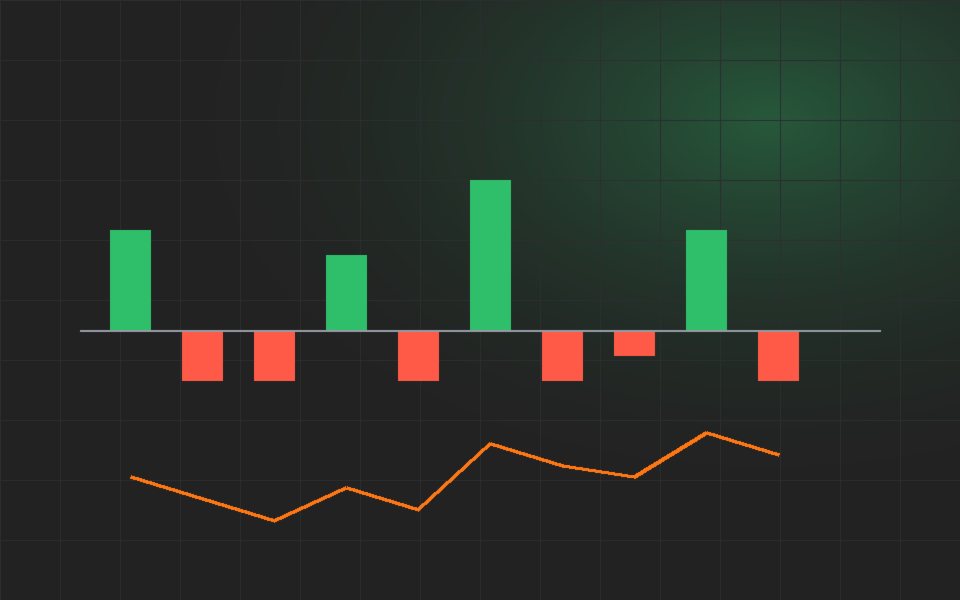
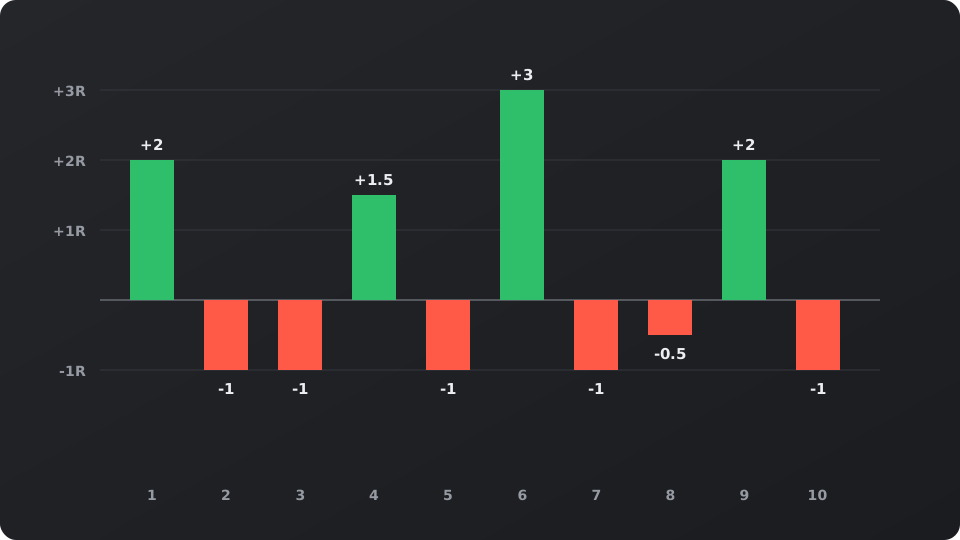
Using those ten assumed trades: four wins averaging 2.125R, six losses averaging 0.92R. The total is +3R, so expectancy is 3 ÷ 10 = +0.3R per trade.
The same number comes from the formula: 0.4 × 2.125 − 0.6 × 0.917 = 0.3R. At 1% risk, +0.3R per trade means about 0.3% of the account per trade on average, with large swings around it.
Why ten trades prove nothing
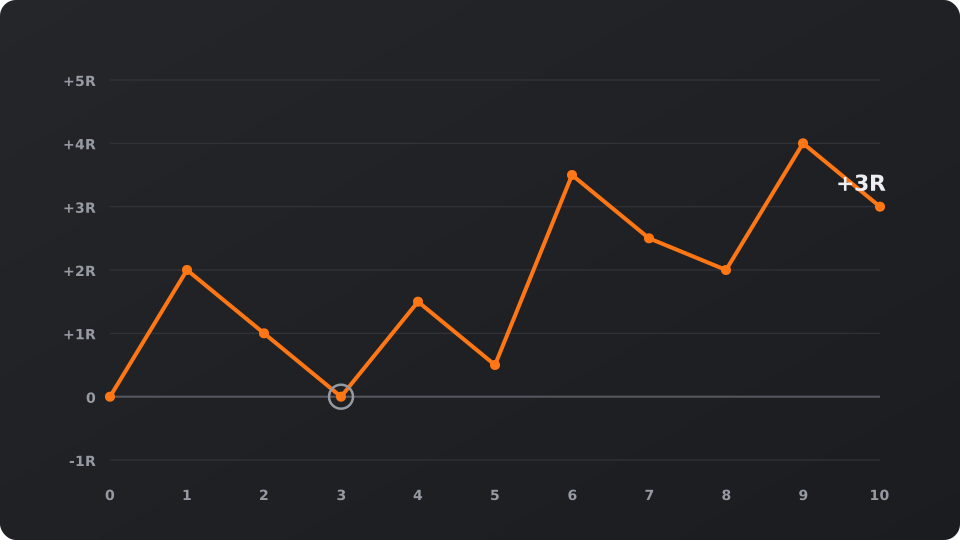
Ten trades is a tiny sample. Change one result from +3R to −1R and expectancy drops from +0.3R to −0.1R. Review a setup after 30 or more trades of that setup, and keep setups separate so a good one does not hide a bad one.
The weekly review is short: expectancy per setup, the largest loss in R, and whether any loss exceeded 1R. A loss bigger than 1R means the plan was not followed, which is a process problem, not a market one.
Three review questions
Numbers show what happened; three questions show why. Did I take the trade the plan described? Did I size it from the stop? Did I exit where the plan said? Score each answer yes or no.
A setup with good expectancy but many no answers is fragile, because the results came despite the process. In the first months, the share of trades that followed all three rules is often a more useful number than profit.
For education only, not financial advice. Trade examples are illustrative. Crypto prices are volatile, and leveraged trading can lose more than your margin.
Get one trade plan like this each week
Setup, stop, size and review in one email. Free, unsubscribe anytime.
Or follow the Telegram channel @ispsjaolqMarket now
Latest news