Bitcoin futures basis: what the gap over spot really tells you
A positive Bitcoin futures basis does not require spot to rise. We explain what drives the gap, what it changes for a written plan, and where BTC sits.
On this page
When Bitcoin futures trade above the spot price, it is tempting to read that premium as a bullish hint. A Coinlytic explainer published on 2026-10-12 made the opposite point: a positive basis does not mean spot bitcoin has to climb. This article looks at how the basis works, what it does and does not change for a written trading plan, and where bitcoin sits on its daily chart.
What happened: a closer look at the basis
The Coinlytic explainer was framed as a note on market structure, not a trade call. Its subject was the basis: the difference between the price of a futures contract and a comparable spot price.
When the futures contract is priced higher than spot, the basis is positive. Traders also call this state contango. When futures sit below spot, the basis is negative, a state often called backwardation. Both are normal features of futures markets. Neither is a forecast on its own.
The explainer referred to the CME market. Bitcoin futures listed on CME are cash-settled in U.S. dollars. No coins change hands at expiry. Instead, contracts settle against a benchmark called the CME CF Bitcoin Reference Rate. That detail matters, because the futures price is tied to a specific index, not to whatever price a single exchange happens to show.
Why a premium is not a prediction
The central point is simple. Spot bitcoin does not have to go up for futures to carry a premium. As the explainer put it, "futures and spot can converge even if both prices fall". Convergence means the gap closes as the contract nears expiry. That can happen with spot rising, flat or falling. The futures price can simply come down to meet spot.
So what moves the gap if not a view on price? The explainer listed two factors that can shape it. The first is financing costs. Holding a position over time costs money, and futures prices tend to reflect that cost. The second is market positioning. If many traders want leveraged long exposure through futures, they can push the contract price above spot for reasons that have little to do with where spot will be later.
This is why the explainer urged care before reading any change in basis as a signal. Its advice was to compare like with like: the same spot benchmark and the same contract maturity. A gap measured against one exchange's spot price is not the same as a gap measured against the reference rate. A near-month contract and a later one can show very different premiums at the same moment.
What it changes for a written trading plan
For a trader who works from a plan, the basis is mostly a risk input, not an entry trigger. Several risks connect to it.
Leverage and positioning risk. A wide premium can reflect crowded leveraged positioning. Crowded positions can unwind quickly. When that happens, volatility tends to rise and stops can be hit faster than usual. A plan that sizes positions from the stop distance needs that distance to match current conditions.
Benchmark risk. If you trade a perpetual swap or spot on one venue while watching a CME basis figure, you are mixing benchmarks. The numbers may not describe your own market. Any rule in a plan that refers to basis should state which contract and which spot reference it uses.
Convergence risk for spread trades. Some traders hold spot and sell futures to earn the premium. That approach is not free of risk. Financing costs can change, margin calls can arrive during sharp moves, and the trade depends on the exchange and the clearing chain functioning normally.
What the basis does not change is the core of a plan: where you are wrong, how much you risk, and how you review the trade afterwards.
Where bitcoin sits now
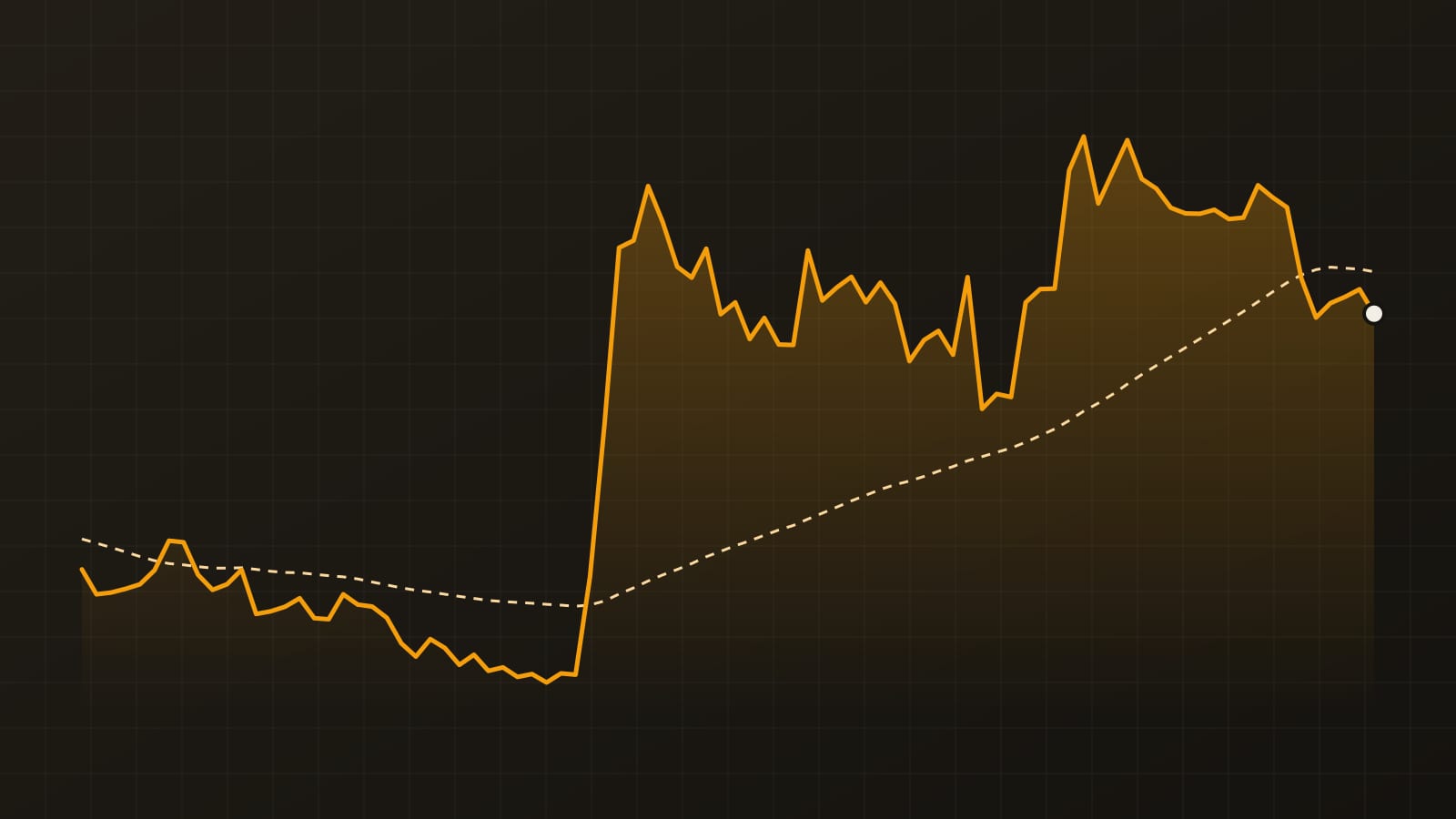
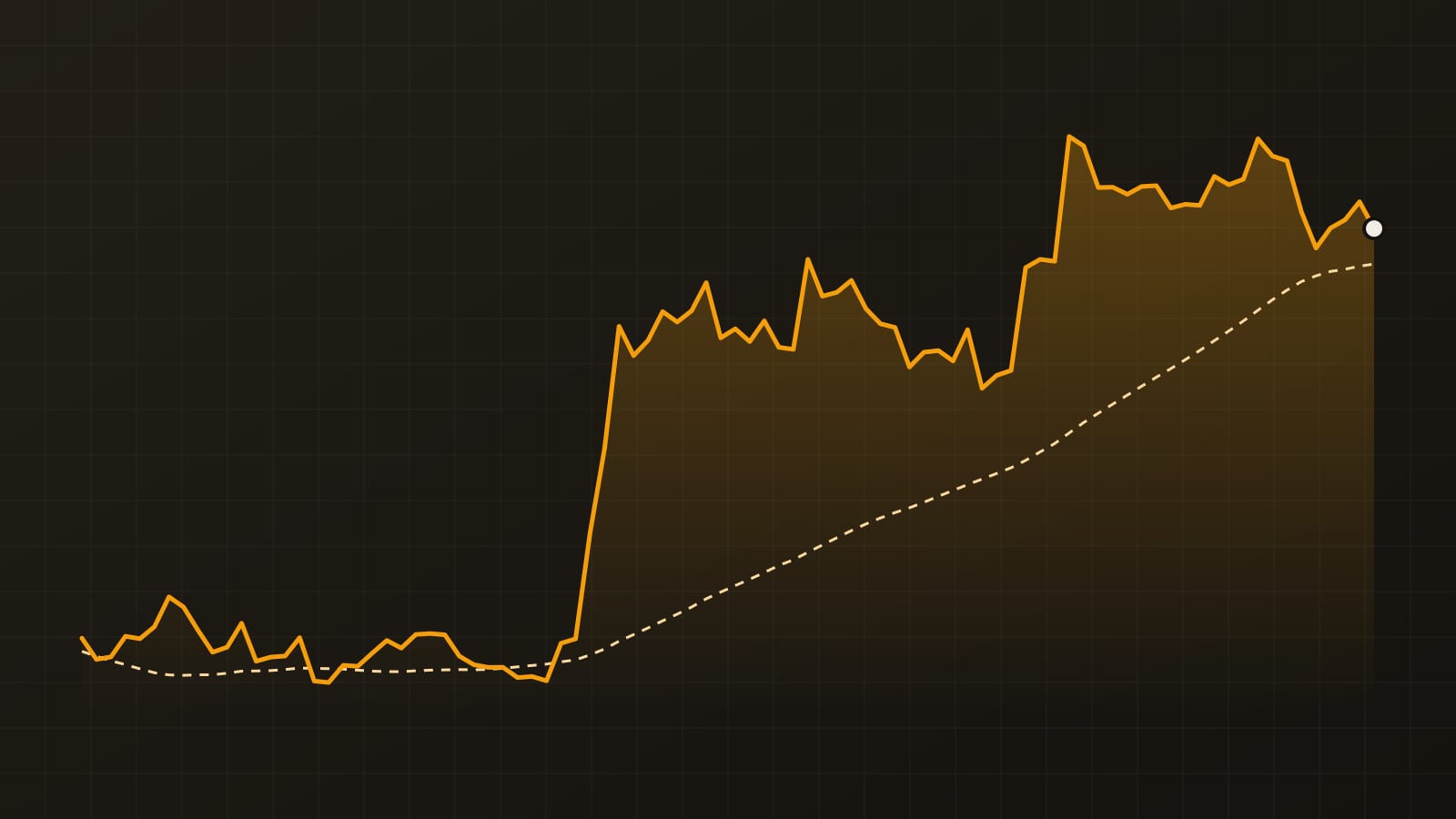
Coinlytic's own data, computed from Bybit daily closes, gives context for the spot side of the gap. Bitcoin's last daily close was $84,268. That is down 1.7% over seven days, up 9.0% over 30 days and up 30.1% over 90 days.
The highest close of the last 90 days was $86,616, on 2026-09-21. Price is below that level by 2.7%. The lowest close in the same window was $62,823, on 2026-08-01, and price is above it by 34.1%. That places bitcoin 90% of the way from its 90-day low to its 90-day high, near the top of its recent range.
The simple average of the last 50 daily closes stands at $81,094. Price is above it by 3.9%. In plain terms, the medium-term trend on the daily chart has been upward, while the past week has seen a modest pullback just below the recent high. None of these figures says what the basis will do, and the basis does not say what these figures will do next.
A checklist before acting on a basis reading
If basis data shows up in your notes or your market scan, a few questions help keep it in its place.
- Which spot benchmark and which contract maturity is this basis measured against, and do they match the market I actually trade?
- Does my entry rely on the premium as a directional hint, and would the trade still make sense if spot fell while the gap closed?
- Are my stop distance and position size set for current volatility, given that crowded leverage can unwind fast?
- If I hold a spread or carry position, what happens to margin, financing and exchange exposure in a sharp move?
A plan that can answer these questions treats the basis as information about structure and cost, which is what it is.
What to watch next
Three things are worth tracking without treating any of them as a signal. First, how the basis on the same contract and the same benchmark changes over time, rather than single readings taken out of context. Second, signs of crowded positioning, such as funding rates on perpetual swaps and changes in open interest, which can show whether leverage is building or being cut. Third, where spot trades relative to the recent range and the 50-day average, since a move away from the top of the range would change the volatility backdrop for any plan.
The broader lesson is about reading data honestly. A futures premium is a price for time, financing and positioning. It can coexist with rising, flat or falling spot prices. Treating it as a forecast adds a hidden assumption to a trading plan, and hidden assumptions are where risk tends to sit.
Sources
- Coinlytic Telegram channel · October 12, 2026
Written with AI assistance from the reports named above. Figures, quotes and sources are checked automatically before publishing.
For education only, not financial advice. Trade examples are illustrative. Crypto prices are volatile, and leveraged trading can lose more than your margin.
Get one trade plan like this each week
Setup, stop, size and review in one email. Free, unsubscribe anytime.
Mid-week market-structure notes on Telegram: @ispsjaolqMarket brief
Latest news