- CAT
- Risk management
- DATE
- October 15, 2026
- READ
- 4 min read
- SRC
- Decrypt
Zcash falls 11%: how rally leverage forced longs out
Zcash lost 11% as $17.9 million of longs were liquidated. How leverage built in a long rally amplifies a pullback, and what to re-check.
[≡] On this page06
Zcash fell 11% in the 24 hours to October 15, leaving the privacy token with a market capitalization of $18.5 billion, according to Decrypt. Over the same window, CoinGlass data cited by Decrypt showed $17.9 million of Zcash long positions liquidated. This article looks at how leverage that builds during a long rally turns a pullback into forced selling, and what a trader holding a leveraged position should re-check.
What happened
Decrypt listed Zcash among the largest decliners of the day. The drop came after a long advance: CoinShares senior researcher Luke Nolan told Decrypt the token remains 460% above where it traded at its March lows.
Nolan put the drawdown on the daily chart at 35%+. He said it looks small next to the move that came before it, and that when the whole crypto market is fragile, the strongest gainers usually give back ground too.
The liquidation figure stands out. Decrypt set the $17.9 million of Zcash long liquidations against $7.3 million for Hyperliquid over the same 24-hour period. For a single altcoin, that is a large amount of positions closed by the exchange rather than by the trader.
How a rally builds the fuel for its own pullback
Nolan's explanation is a standard one for perpetual futures. He told Decrypt that leverage accumulated meaningfully as price climbed, which he called a natural consequence of a strong move. Attention brings in more perp traders, and many of them use leverage.
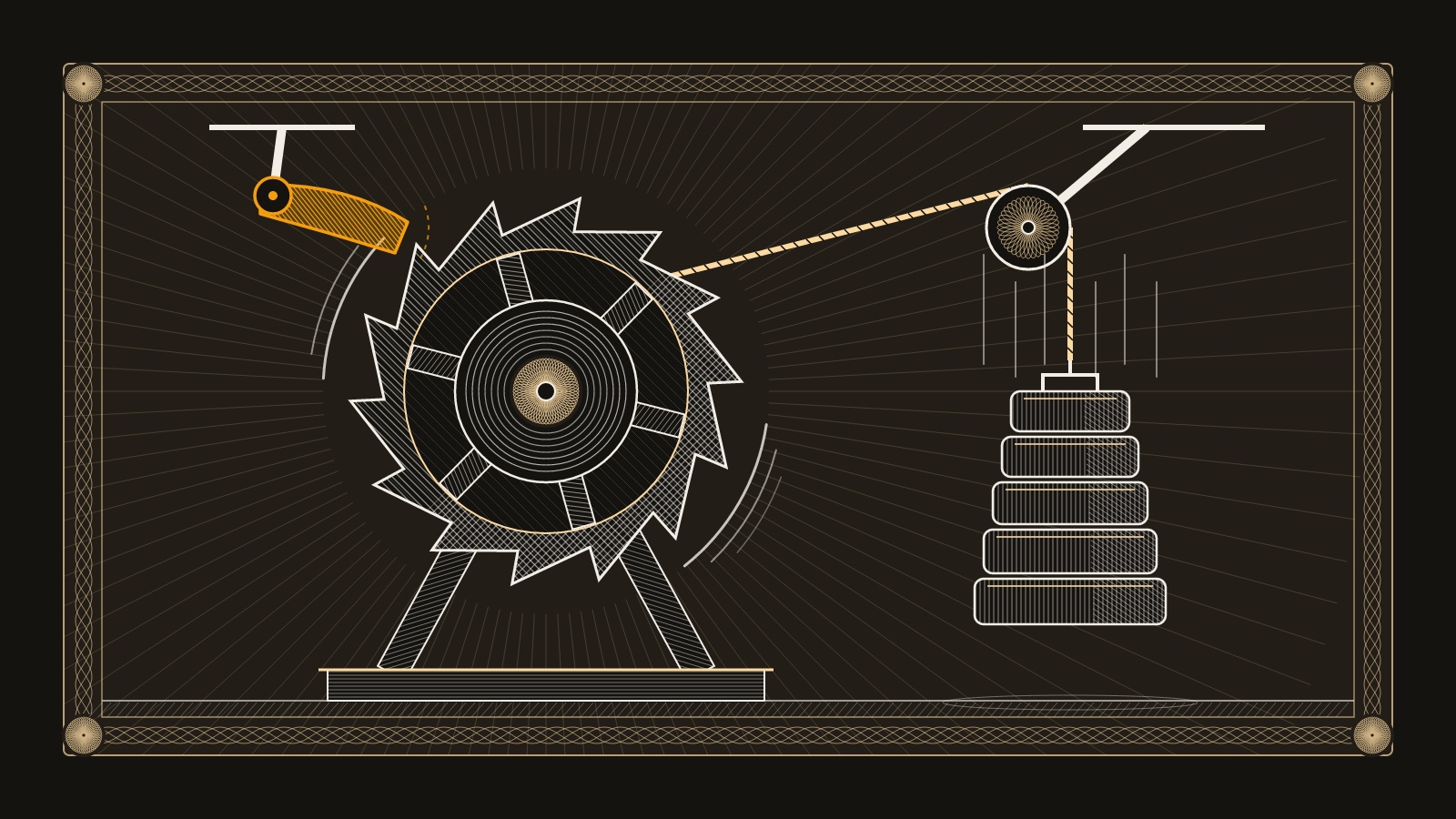
The mechanism is simple. A leveraged long posts margin worth a fraction of the position. When price falls, losses come out of that margin. Once the margin drops below the maintenance level, the exchange closes the position at market. That forced close is a sell order. If many longs entered at similar prices with similar leverage, their liquidation levels cluster, and one forced sell can push price into the next cluster.
In Nolan's words, "when there is a sneeze, the moves get amplified as those leveraged traders are either forced to reduce exposure or get liquidated". The risk type here is volatility combined with liquidity: the selling is not a view on Zcash, it is a margin rule being enforced.
Who was crowded, and the other explanations
The liquidations were on the long side, which tells you where positioning was crowded. Traders who bought the rally with leverage were the ones forced out, not those who were short.
Not everyone pointed at leverage alone. Other commentators quoted by Decrypt linked the losses to worries that AI could break cryptography sooner than quantum computers. Last week, Ethereum co-founder Vitalik Buterin, along with Justin Drake of the Ethereum Foundation, urged the industry to plan a bunker mode for that case. Dialectic founder Ryan Zurrer told Decrypt that complex privacy designs like Zcash stand to lose most if AI-driven attacks make core cryptographic primitives obsolete.
There is a counterweight. Zcash full node developer Zakura said its team expects the network to be quantum-proofed and reasonably AI-proofed by January. HashKey senior researcher Tim Sun called the quantum-resistant roadmap a key driver of the rally, while noting implementation is still some way off. Nolan also said a proposed French law requiring citizens to declare crypto holdings of €100,000 ($112,000) or more had little to do with the move; that proposal has not passed.
For a derivatives trader, the narrative matters less than the structure. Whatever the trigger, a market with a heavy stack of leveraged longs reacts to any shock in the same way.
Where funding and open interest sit
Coinlytic has no funding or open-interest readings for Zcash for this event, so this article does not state where they stand. The useful habit is to check both before holding a position after a move like this. A long flush usually lowers open interest, because closed longs remove contracts. Funding that stays positive after the flush would suggest longs are still paying to stay in.
What a leveraged trader would re-check
A written plan should answer these questions before a position is held through the next swing:
- How far can price move against me before my liquidation price, and is that distance wider than a normal daily swing for this token?
- Did I size the position from my stop, or from the leverage the exchange allows?
- Is open interest still elevated after the flush, meaning crowded longs may not be cleared yet?
- Am I relying on a narrative, such as quantum resistance, to hold through a volatility shock?
None of these answers say whether to be long or short. They decide whether a position survives the kind of move Zcash just made.
What to watch next
Watch whether liquidation totals shrink on further moves, which would show the leveraged long stack has thinned. Watch the AI and cryptography debate, since Zakura's January goal and Zurrer's warning pull in opposite directions. And watch whether attention, and with it fresh leverage, returns to the token.
Sources
- Decrypt · October 15, 2026
Written with AI assistance from the reports named above. Figures, quotes and sources are checked automatically before publishing.
For education only, not financial advice. Trade examples are illustrative. Crypto prices are volatile, and leveraged trading can lose more than your margin.
Get one trade plan like this each week
Setup, stop, size and review in one email. Free, unsubscribe anytime.
Mid-week market-structure notes on Telegram: @ispsjaolqMarket brief
Latest news