Binance's Anthropic perp: how the mark price is set
Binance explained how it marks its Anthropic-linked perpetual. What the 1% per-second cap does for liquidations, and what funding still costs holders.

On this page
Binance has laid out how it prices its perpetual futures tied to Anthropic, a private AI company with no listed stock. Shunyet Jan, the exchange's head of exchange and trading, described the method in a piece 21Shares published on Oct. 13, CryptoSlate reported. This article looks at what the mark price rule means for liquidations, and why funding remains the real holding cost.
What Binance described
A perpetual future has no expiry. Exchanges track it through a mark price, the reference used for unrealised profit and loss and for liquidation. For a listed coin, the mark is usually anchored to spot prices on several venues. Anthropic has no spot market, so the exchange builds the mark from its own trading.
Per Jan, Binance refreshes the Anthropic mark every second from executed trades, using a window that rolls between 10-to-100-second lengths. The mark may move by no more than 1% up or down from one second to the next. When activity thins out, the method falls back to a trailing 100-trade reference.
The timing matters. The explanation arrived alongside the Oct. 13 contractual start of a 21Shares synthetic certificate on Anthropic. According to 21Shares, the note counterparty, FalconX Sandpiper SPC, runs that exposure with perpetual futures on Binance and Hyperliquid. Two inputs set the certificate's value under its final terms: the Binance ANTHROPICUSDT funding rate and a Kaiko reference rate for Anthropic in USD.
What the per-second cap does, and does not do
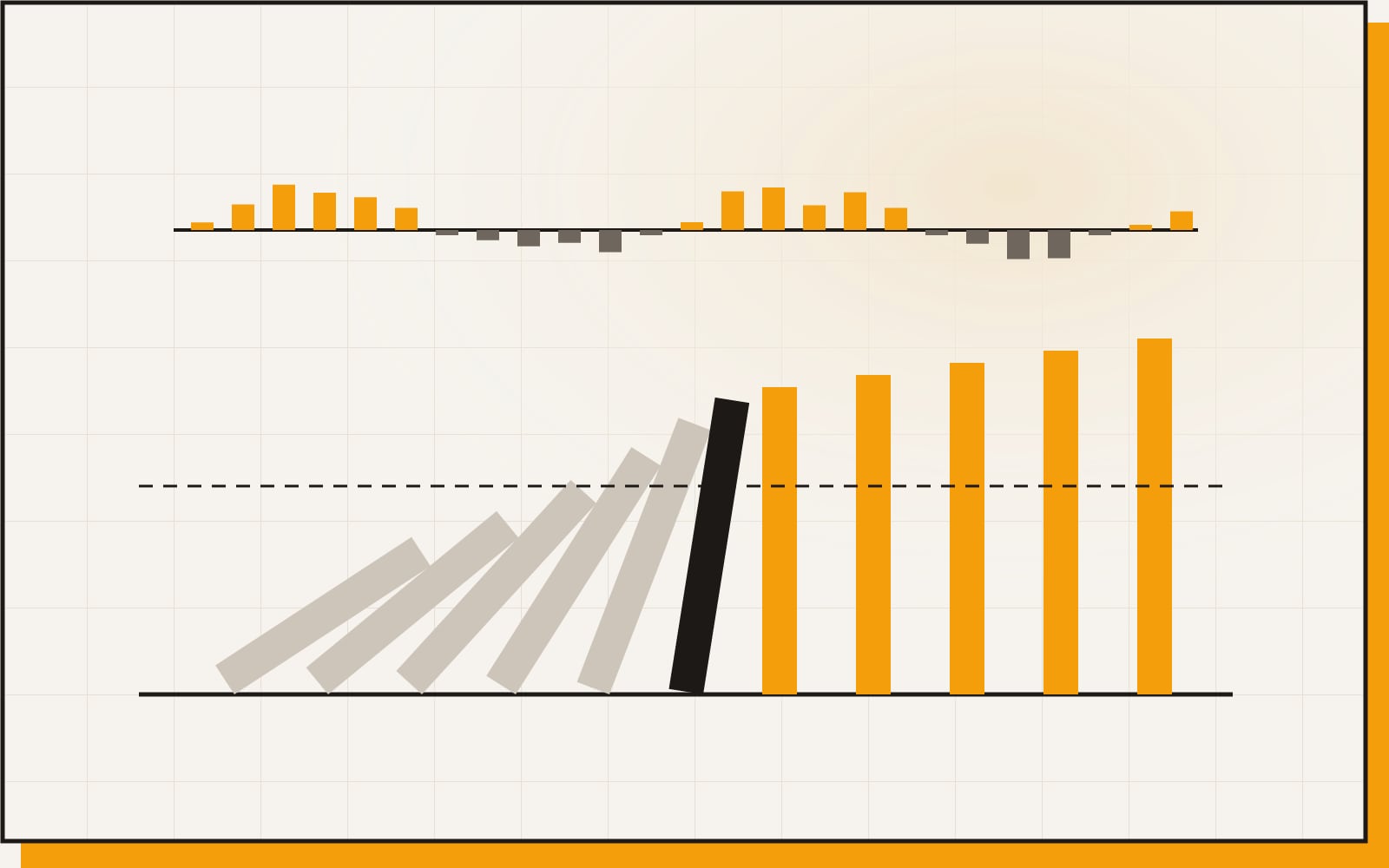
A cap on how fast the mark can move is a liquidation safeguard. In a thin market, a single large order can print far from recent trades. If the mark followed that print instantly, positions with tight margin could be closed out on one trade. Smoothing over a rolling window and limiting each second's move gives the mark time to confirm that a price change is real.
That is a venue rule, not a loss limit. CryptoSlate noted that the per-second cap does not limit a trader's total loss and does not turn the quote into an independent valuation of Anthropic. A sustained move simply arrives in steps. Several seconds of capped moves in the same direction still add up, and a leveraged position can still reach its liquidation level.
The fallback matters too. In slow trading, the last 100 trades can carry the mark, so a handful of quiet-hour prints weigh more. The risk type is liquidity risk: the mark is only as robust as the order flow behind it.
Funding is the cost that does not stop
On a perpetual, funding is the periodic payment between longs and shorts that keeps the contract near its reference. When longs are crowded, longs usually pay. For a pre-IPO name with no spot market and a one-way crowd, funding can stay costly for long stretches.
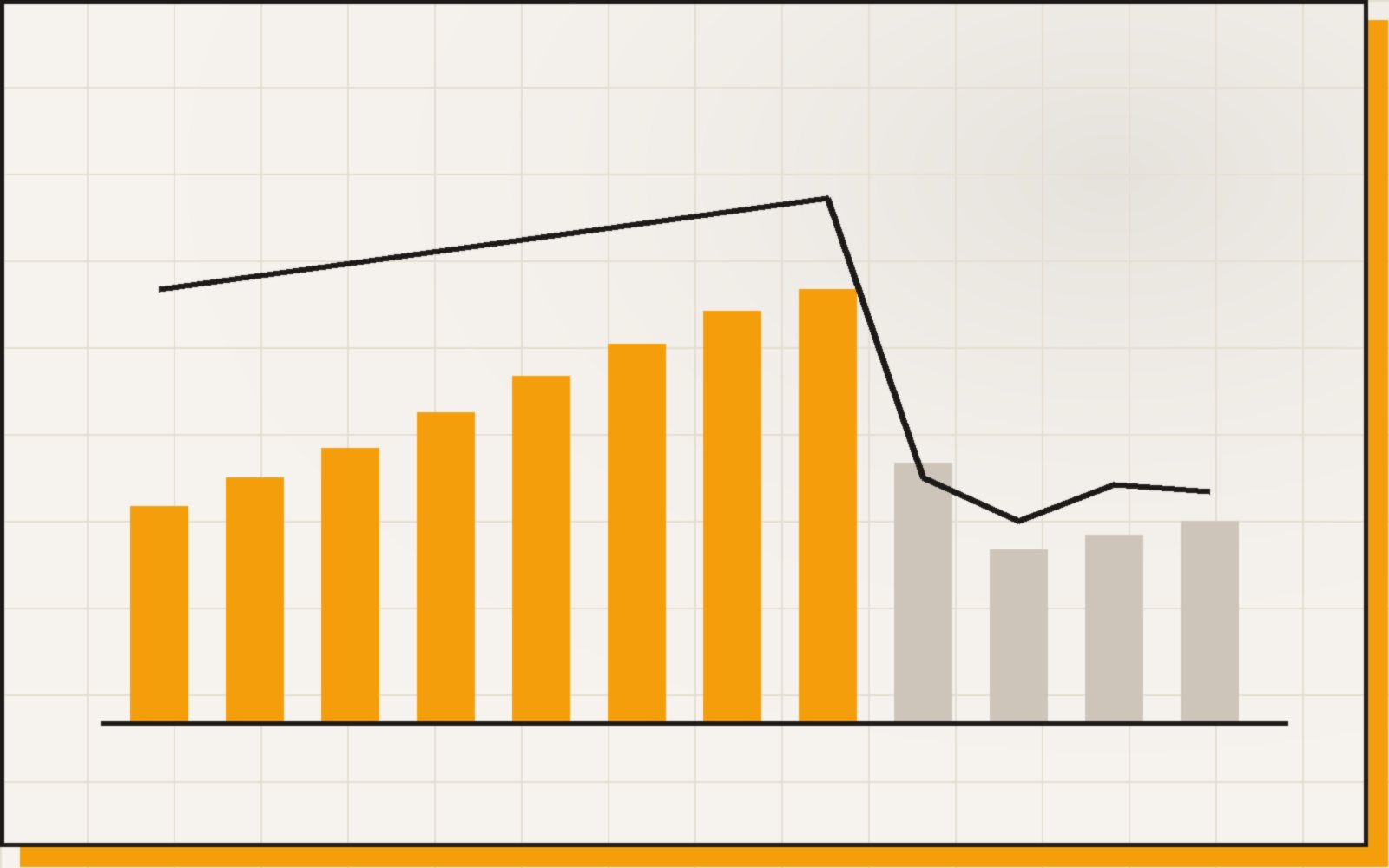
The 21Shares product shows how that cost travels. Its FAQ says financing, trading and perpetual-funding charges flow through to NAV, so the certificate's return can drift from the reference price. CryptoSlate said variable funding can cut returns even when the price view does not change, and that the funding figure at inception does not fix future costs. The advertised fee is 1% per year, with a 2% redemption fee in the final terms for primary redemptions by authorized participants.
There is also counterparty risk on the certificate side. Holders are unsecured creditors of 21shares x FalconX Limited, a Cayman issuer. If the counterparty fails, the issuer may recover much less than the note value, or nothing. The legal summary says issuer and counterparty sit in the same FalconX group, and no independent director approves the fairness of terms such as financing and slippage. On Oct. 13 the product page showed assets of $49,397.23, a NAV per unit of $9.88 and 5,000 securities outstanding.
Questions a leveraged trader could re-check
Coinlytic has no funding or open-interest data on this contract to show here. The method itself still raises questions a written plan should answer before a position is held.
- Do I know which price my liquidation is based on: the mark, the last trade, or an outside reference rate?
- Is my margin wide enough that a run of capped moves in one direction would not close the position?
- Have I priced in funding over my whole holding period, not just at entry?
- Is my position small enough for a market where a few trades can set the fallback mark?
What to watch next
The reference may change. The 21Shares FAQ says that after any IPO, the perpetual reference would factor in Anthropic's official exchange quote, with no automatic delivery of shares and no forced settlement. The legal summary cautions that an IPO might not occur, and that pricing disruption could lead to alternative valuation or early redemption at a loss.
For traders, the useful signals sit on the exchange itself: how far the mark drifts from last trade in quiet hours, and how funding behaves as interest grows or fades.
Sources
- CryptoSlate · October 14, 2026
Written with AI assistance from the reports named above. Figures, quotes and sources are checked automatically before publishing.
For education only, not financial advice. Trade examples are illustrative. Crypto prices are volatile, and leveraged trading can lose more than your margin.
Get one trade plan like this each week
Setup, stop, size and review in one email. Free, unsubscribe anytime.
Mid-week market-structure notes on Telegram: @ispsjaolqMarket brief
Latest news