- CAT
- Market data
- DATE
- October 24, 2026
- READ
- 4 min read
- SRC
- CryptoSlate
SpaceX perps: $6 billion volume, falling open interest
SpaceX perpetuals traded about $6 billion after earnings while Binance open interest fell. We explain why, plus margin, leverage and fee risks.
[≡] On this page06
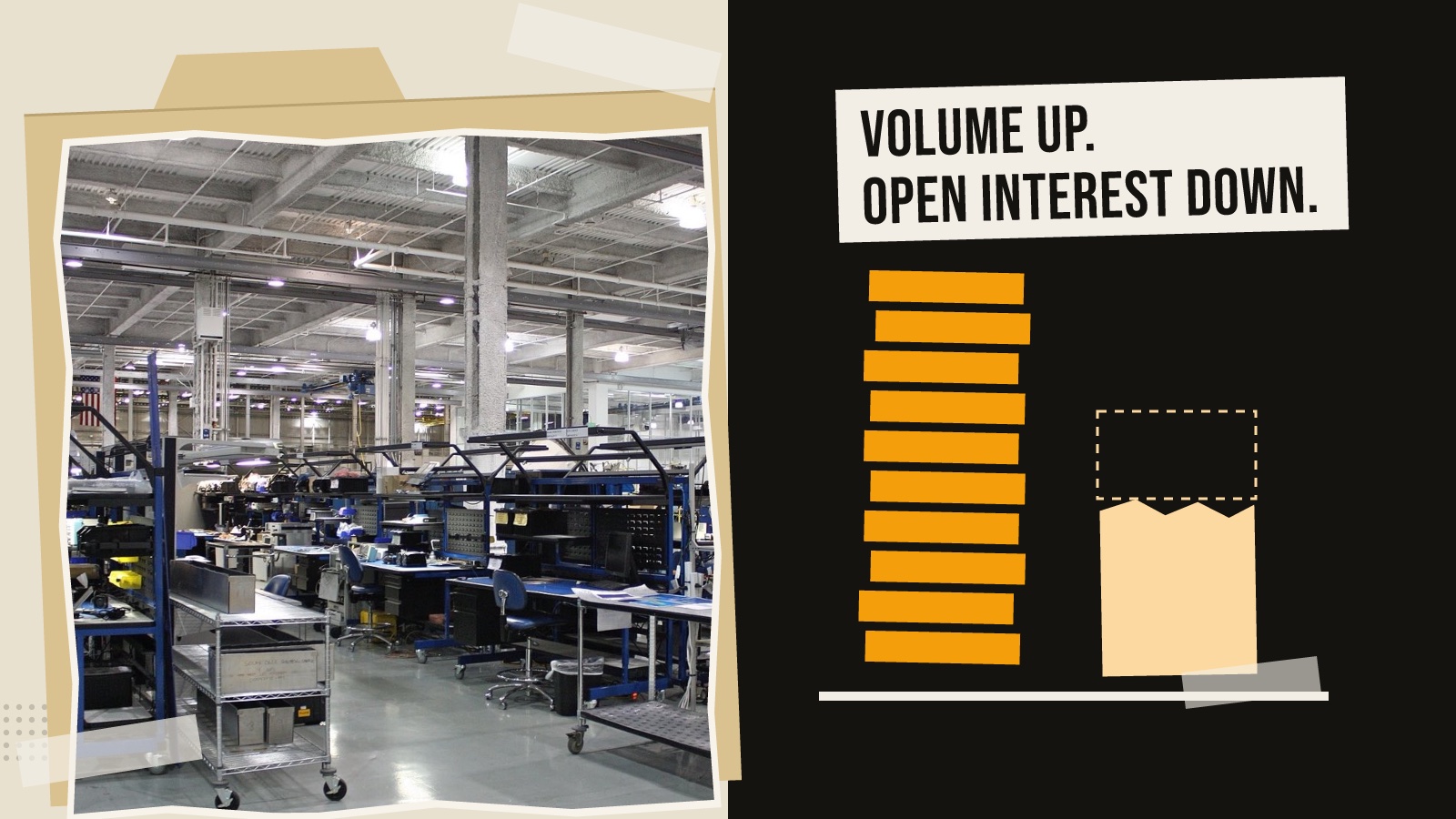
Photo: Bruno Sanchez-Andrade Nuño from Washington, DC, USA / Wikimedia Commons, CC BY 2.0 (cropped)
SpaceX-linked perpetual futures traded about $6 billion on Binance and Hyperliquid around the company's October 20 earnings, according to Talos data reported by CryptoSlate. At the same time, open interest on Binance fell about 8%. This article explains how both can be true, and what margin, leverage and fee rules mean for anyone holding these contracts.
What happened around SpaceX earnings
SpaceX scheduled the call on its third-quarter numbers for 4:30 p.m. Eastern time on October 20. In an October 22 report, market-data provider Talos put SpaceX perpetual turnover on Binance and Hyperliquid at about $6 billion during the post-earnings episode. That was more than eight times the volume of the day before.
Talos also said Binance's SPCX perpetual rose 8.5% between the earnings print and the next US market open. Yet open interest on Binance dropped about 8% after earnings. A busy session ended with fewer positions open, not more.
Why volume and open interest split
Volume counts every contract that changes hands in a period. Open interest counts contracts still outstanding, with each long and short pair counted once. The two answer different questions: how much traded, and how much exposure is still on the books.
They can move in opposite directions. Suppose an existing long sells to an existing short who is buying back to close. The trade adds volume, but both positions disappear, so open interest falls. Heavy turnover with shrinking open interest usually means a lot of the activity was traders closing or rotating, not new exposure being built.
CryptoSlate added an important caveat. Talos measured turnover across two exchanges but open interest on Binance alone, and the time windows differ. So the two numbers describe the same event but cannot be lined up neatly. A trader reading them together should keep that gap in mind.
Margin and leverage on a stock perpetual
A perpetual has no expiry date. Instead, funding payments between longs and shorts are meant to keep its price near the underlying share. Notional turnover in these contracts is not the same as buying SpaceX stock. No shares change hands; traders hold a derivative that references the share price.
The SPCX contract run by operator trade[XYZ] tracks one SpaceX Class A share in dollars. It allows cross margin and caps leverage at 20 times. On Hyperliquid, initial margin equals position size times mark price, divided by leverage. Because collateral is shared under cross margin, a loss or an unrealized profit on one position changes the margin left for the others.
That is the volatility and liquidation risk in one line. A move of 8.5% between an earnings print and the next open is large for a position at high leverage. Event sessions can also leave the stock market closed while the perpetual keeps trading, so the price a position is marked against may move before the underlying share does.
Fees: why turnover is not income
Trading costs depend on the venue's settings. On trade[XYZ], the tier-zero standard taker fee is 0.09%, against 0.009% in growth mode. For makers the two figures are 0.03% and 0.003%. Hyperliquid says that switching an eligible HIP-3 market into growth mode lowers fees, rebates and the volume it credits by at least 90%.
Under HIP-3, market deployers set contract specifications, oracles and leverage limits, and may keep up to half of the trading fees their markets generate. CryptoSlate said SPCX's past growth-mode setting and the mix of trader tiers and rebates on October 20-21 are unverified. The fees actually kept from the $6 billion are therefore unquantified. Multiplying turnover by one fee rate would give a misleading figure.
Checklist before holding a stock perpetual through an event
No Coinlytic funding or open interest data is available for this contract, so the questions below are about process, not current readings.
- Do I know who sets this market's leverage limit, oracle and settlement rules, and can those settings change?
- Under cross margin, how much would an earnings-sized move on this position reduce the margin backing my other positions?
- Does my plan account for the perpetual trading while the underlying stock market is closed?
- Have I checked which fee schedule applies to my orders, and whether I am paying taker or maker rates?
What to watch next
Watch whether open interest in SpaceX perpetuals rebuilds after the earnings rotation, and whether venues publish clearer data on fees retained. For traders, the main lesson is structural: a volume spike alone does not show new positioning. Check open interest, and check which venues each figure covers.
Sources
- CryptoSlate · October 23, 2026
Written with AI assistance from the reports named above. Figures, quotes and sources are checked automatically before publishing.
For education only, not financial advice. Trade examples are illustrative. Crypto prices are volatile, and leveraged trading can lose more than your margin.
Get one trade plan like this each week
Setup, stop, size and review in one email. Free, unsubscribe anytime.
Mid-week market-structure notes on Telegram: @ispsjaolq