- CAT
- Market data
- DATE
- November 4, 2026
- READ
- 4 min read
- SRC
- Cointelegraph
RUNE Jumps 15%: THORChain Restart and Perp Risk
THORChain's partial swap restart after a refund bug sent RUNE up 15%. Here's what that means for funding rates and liquidation risk.
[≡] On this page05
Photo: Piper, Walter F / Wikimedia Commons, Public domain (cropped)
RUNE rose approximately 15% over 24 hours after THORChain restored trading on most of its supported networks following a weekend swap halt. The halt stemmed from a refund bug tied to a one-block Ethereum reorg. This piece examines what that kind of sudden gap-up does to derivatives positioning — funding rates, short liquidations, and the protocol risk that persists even after a partial restart.
What Triggered the Halt and the Restart
A one-block Ethereum reorg on Saturday erased a 10 ETH deposit that THORChain had already credited. Because the swap missed its price limit, a refund was issued against funds the vault never received. The original 10 ETH deposit was also returned, creating a double payout. That double-refund error triggered an automatic protocol pause, after which node operators suspended trading across multiple networks while developers investigated.
At reporting time, 10 of THORChain's 13 listed external networks had both trading and transaction signing marked OK on its status page. Trading resumed on Dogecoin, Litecoin, Zcash, Tron, Bitcoin Cash, Ethereum, and Bitcoin. Three chains — Solana, Cosmos Hub, and BNB Smart Chain — still showed warnings. Avalanche, Base, and XRP had been operating normally before the partial restart.
How a 15% Gap-Up Moves Funding Rates
RUNE was at approximately $0.64 on Wednesday, a gain of about 15% versus the previous day, per CoinMarketCap data. A move of that size in a single session on an altcoin with active perpetual markets has a predictable effect on the funding mechanism.
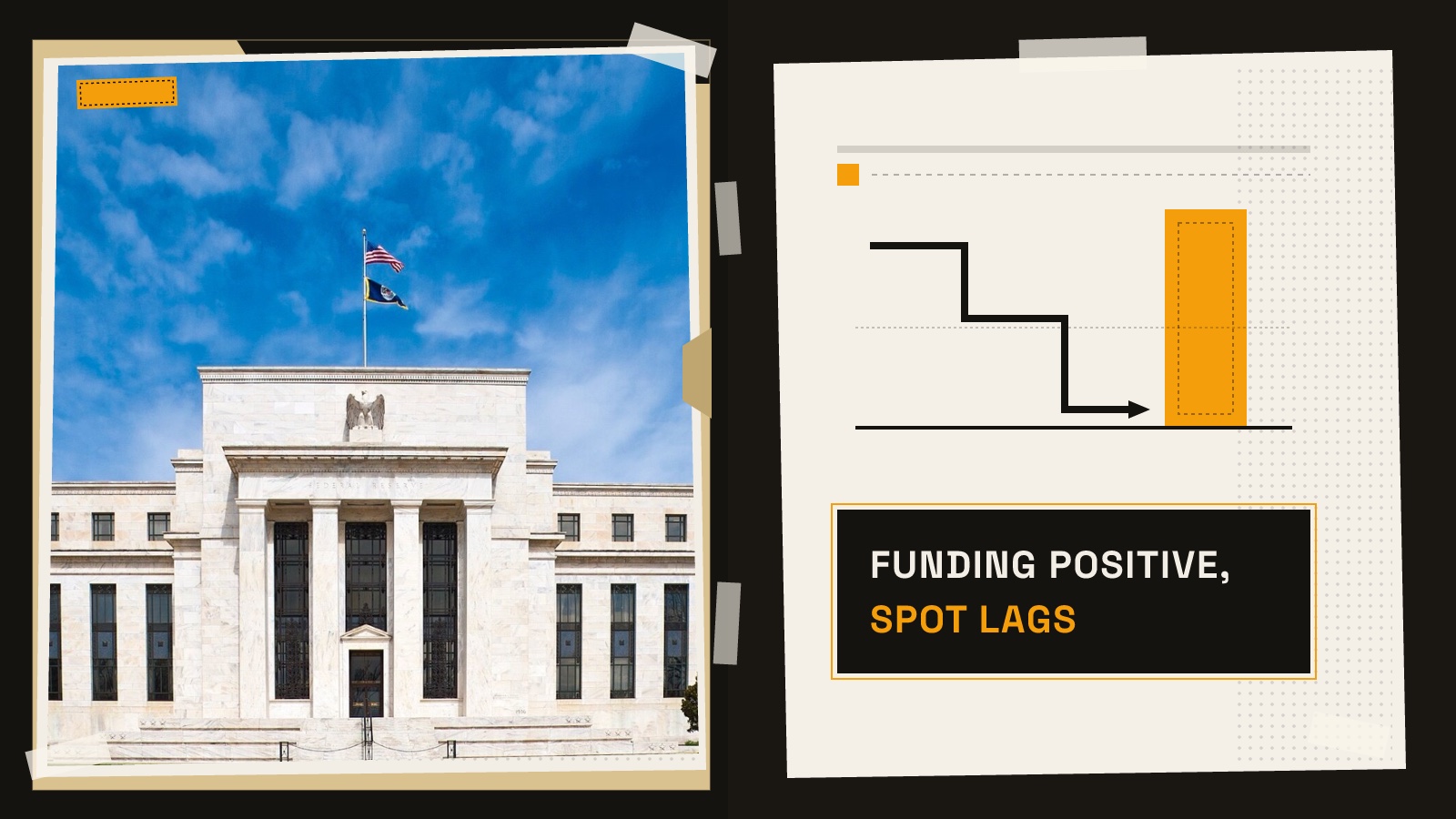
Perpetual futures use a funding rate to keep the contract price anchored to spot. When spot gaps sharply higher, short positions move against their holders, margin erodes, and the weakest are liquidated. That forced buying pushes the perp above spot, flipping funding positive — longs then pay shorts. The larger and faster the spot move, the more abrupt that shift tends to be.
During the multi-day halt, funding on RUNE perps was likely suppressed or negative — shorts were the crowded side while the protocol was down. The 15% move on restart is the classic unwind: shorts cover, funding flips, and anyone holding a leveraged long through the halt now carries a position that costs more to maintain.
Liquidation Risk After a Sharp Single-Session Move
A 15% single-session move compresses the margin buffer for anyone who entered a leveraged long near pre-restart levels. Traders who added size after the pop are starting from a higher cost basis with less room before a maintenance margin threshold is breached.
The liquidation risk here is not only price volatility — it is also protocol risk. Three chains remain paused and the refund-bug review is ongoing. If a second issue surfaces and the protocol halts again, spot liquidity for RUNE could thin quickly. Thin spot order books during a halt allow the perp-to-spot basis to widen sharply, and auto-deleveraging mechanisms on some exchanges may activate before a trader can manually reduce exposure.
Chainalysis noted, as reported by Cointelegraph, that the halt inadvertently disrupted laundering activity tied to $6.3 billion in Binance hack proceeds. For derivatives traders, this signals that some on-chain flows tied to RUNE's liquidity pools were not ordinary market activity — their resumption or continued disruption could add irregular volume spikes.
Protocol Risk Is Not Priced Out
The partial restart does not close the risk. Three chains remain offline, the refund-bug review continues, and a cross-chain swap protocol with multiple external network integrations carries smart-contract risk at each connection point. A second bug or reorg on any active chain could trigger another automatic pause.
For perp traders, the specific risks to name in a trading plan are: smart-contract risk at the protocol level, compounded by liquidity risk if the protocol halts while a position is open. Unlike a straightforward price-volatility event, a protocol halt removes the spot-market reference that the funding mechanism depends on. Counterparty risk also applies at the exchange level — not all venues listing RUNE perps will handle a second halt identically.
What to Watch Next
The immediate signals to monitor are the status of the three remaining paused chains — Solana, Cosmos Hub, and BNB Smart Chain — and any developer communication on the refund-bug review. A full restart would likely push funding further positive as remaining shorts cover. A second halt would reverse the move and could cascade into forced long liquidations if leverage built up quickly after the pop.
Open interest on RUNE perps is the figure to track alongside price. If open interest rose sharply during the 15% move, new leveraged longs entered rather than shorts covering — a structurally more fragile setup. If open interest fell while price rose, it is more likely a short squeeze that has partially cleared. The difference matters for how much residual liquidation pressure sits above and below the current price.
Sources
- Cointelegraph · November 3, 2026
Written with AI assistance from the reports named above. Figures, quotes and sources are checked automatically before publishing.
For education only, not financial advice. Trade examples are illustrative. Crypto prices are volatile, and leveraged trading can lose more than your margin.
Get one trade plan like this each week
Setup, stop, size and review in one email. Free, unsubscribe anytime.
Mid-week market-structure notes on Telegram: @ispsjaolq