- CAT
- Risk management
- DATE
- October 20, 2026
- READ
- 4 min read
- SRC
- CryptoSlate
Crypto liquidation in steps: a 25x ETH short on Hyperliquid
A Hyperliquid whale's ETH short was cut in four partial liquidations, then rebuilt at 25x. How partial closes work and what a leveraged plan should re-check.
[≡] On this page06
An unidentified trader on Hyperliquid lost roughly $469,000 before fees as an overnight ether bounce forced the closure of close to $19.8 million in ETH short exposure, CryptoSlate reported. Hours later the same wallet added to the short again, at 25x leverage. This article looks at how partial liquidation works, why the account survived, and what it says about holding a leveraged position near a visible liquidation level.
What happened
According to CryptoSlate, the wallet was funded with 1,252,457.80 USDC on Oct. 18 at 15:19 UTC and opened shorts later that day near $2,366. Ether then rebounded. Hyperliquid's fill records list 8,162.845 ETH of shorts closed by force across 632 fills, grouped into four partial liquidations from 23:27 UTC on Oct. 18 to 07:34 UTC on Oct. 19. Those buybacks filled at roughly $2,409 to $2,445, above the original entries.
The trader did not walk away. On Oct. 19, between 13:56 and 14:04 UTC, four fresh orders added about 1,126.2 ETH of shorts, roughly $2.7 million at execution. At the 16:00 UTC check the short stood near 6,789.3 ETH, valued around $16.2 million, on cross margin at 25x. Hyperliquid estimated the liquidation price near $2,434.67, against an ETH mid-price of about $2,393.05 just after the check. The on-chain tracker Lookonchain had flagged the position on X and later reported about 8,163 ETH liquidated, worth $19.8 million.
What is liquidation in crypto, and why did this one come in slices?
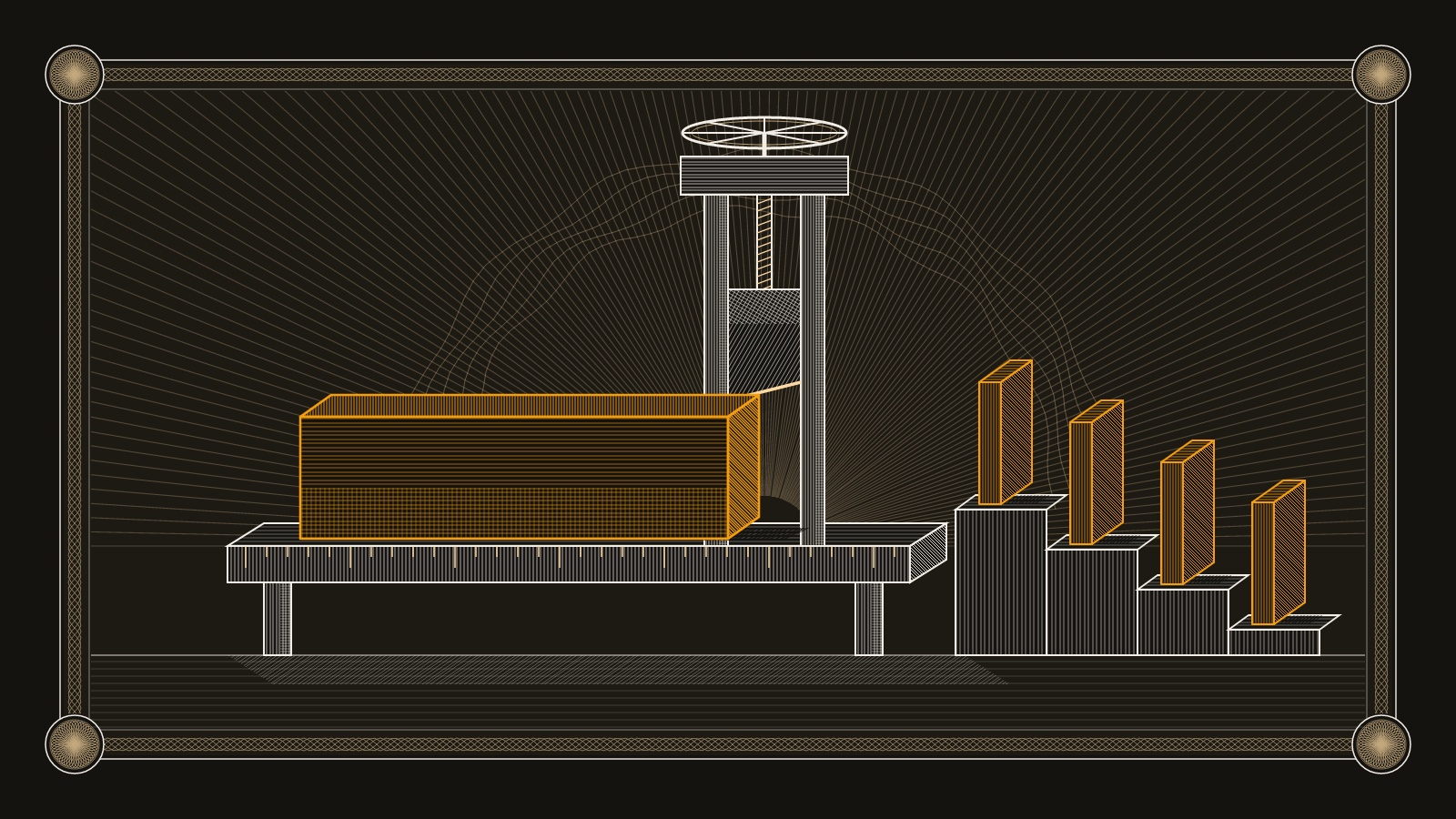
Liquidation is the exchange closing a position because the account no longer holds enough margin to support it. Under Hyperliquid's rules, when a liquidatable position is above 100,000 USDC, the venue starts by pushing 20% of it into the book through a market order. If that partial close brings the account back within maintenance margin, the trader keeps the rest of the position and the collateral.
That is why each of the four forced groups trimmed the short by approximately one-fifth, and why about 5,663.1 ETH of short remained after the last one. The rule means a trader can be liquidated several times on the same trade and still be in it.
What the numbers do and do not tell you
CryptoSlate was careful about the figures. The $19.8 million is the exposure closed at execution prices. The $469,000 is the realized loss on those closures before fees and funding. Neither includes the unrealized result on the short that stayed open, so neither is the account's full result.
Two more details matter for anyone sizing a short. The liquidation trigger uses the mark price, which blends prices from outside exchanges with Hyperliquid's own order book, not just the last trade. And funding payments and cross-margin conditions can shift the displayed liquidation estimate over time. The level is a moving estimate, not a fixed line. On cross margin, the whole account balance stands behind the position, which is a counterparty and volatility risk for every other holding in it.
Where ether sits now
Coinlytic's data does not include funding or open interest for this sheet, so the context here is price. On Bybit daily closes, ETH closed at $2,402. It is down 3.8% over 7 days and down 9.2% over 30 days, but up 27.9% over 90 days. Price is below its 50-day average of $2,550 by 5.8%, and 13.5% below the 90-day high close of $2,776. It sits 60% of the way from the 90-day low to the 90-day high.
In that context, the reported liquidation estimate of about $2,434.67 was close to where ether was trading. A short that size, that close to its trigger, leaves little room for an ordinary daily swing. CryptoSlate also noted that public whale liquidation levels can become shared reference points that other traders watch, which can add attention to those prices.
What a leveraged plan should re-check
Before holding a position like this, a written plan would ask:
- How far is my liquidation estimate from the current mark price, and does that distance survive a normal daily move?
- Am I on cross margin, and which other balances would absorb a loss if this position goes against me?
- Do I know whether my venue liquidates in full or in partial slices, and what that means for my remaining size?
- Have I counted funding and fees in my loss limit, not just the price move?
What to watch next
Watch the gap between ether's price and the reported liquidation estimate, and whether funding or account changes move that estimate. Watch whether the wallet trims or adds again. The broader lesson is about process: a partial liquidation is a warning that the plan's margin was too thin, not a sign that the position was right.
Sources
- CryptoSlate · October 19, 2026
Written with AI assistance from the reports named above. Figures, quotes and sources are checked automatically before publishing.
For education only, not financial advice. Trade examples are illustrative. Crypto prices are volatile, and leveraged trading can lose more than your margin.
Get one trade plan like this each week
Setup, stop, size and review in one email. Free, unsubscribe anytime.
Mid-week market-structure notes on Telegram: @ispsjaolq