- CAT
- Risikomanagement
- DATE
- 3. November 2026
- READ
- 4 Min. Lesezeit
- SRC
- CryptoSlate
Crypto Liquidation: Why Binance ADL Cuts Hedges
Binance redirected surplus futures insurance reserves after an exploit. Coinlytic analyzes how Auto-Deleveraging rules can force-close winning hedges.
[≡] Auf dieser Seite06
Photo: Epicgenius / Wikimedia Commons, CC BY-SA 4.0 (cropped)
Binance disclosed on Oct. 31 that surplus futures insurance reserves above required coverage thresholds were redirected to restore assets taken during a security incident, according to CryptoSlate. Binance stated that holders of ten designated tokens including Bitcoin could verify at least 1:1 asset backing in its 00:00 UTC on Oct. 31 snapshot. The disclosure highlights how exchange clearing mechanisms and Auto-Deleveraging rules function when central backstops face market pressure.
How crypto liquidation triggers auto-deleveraging
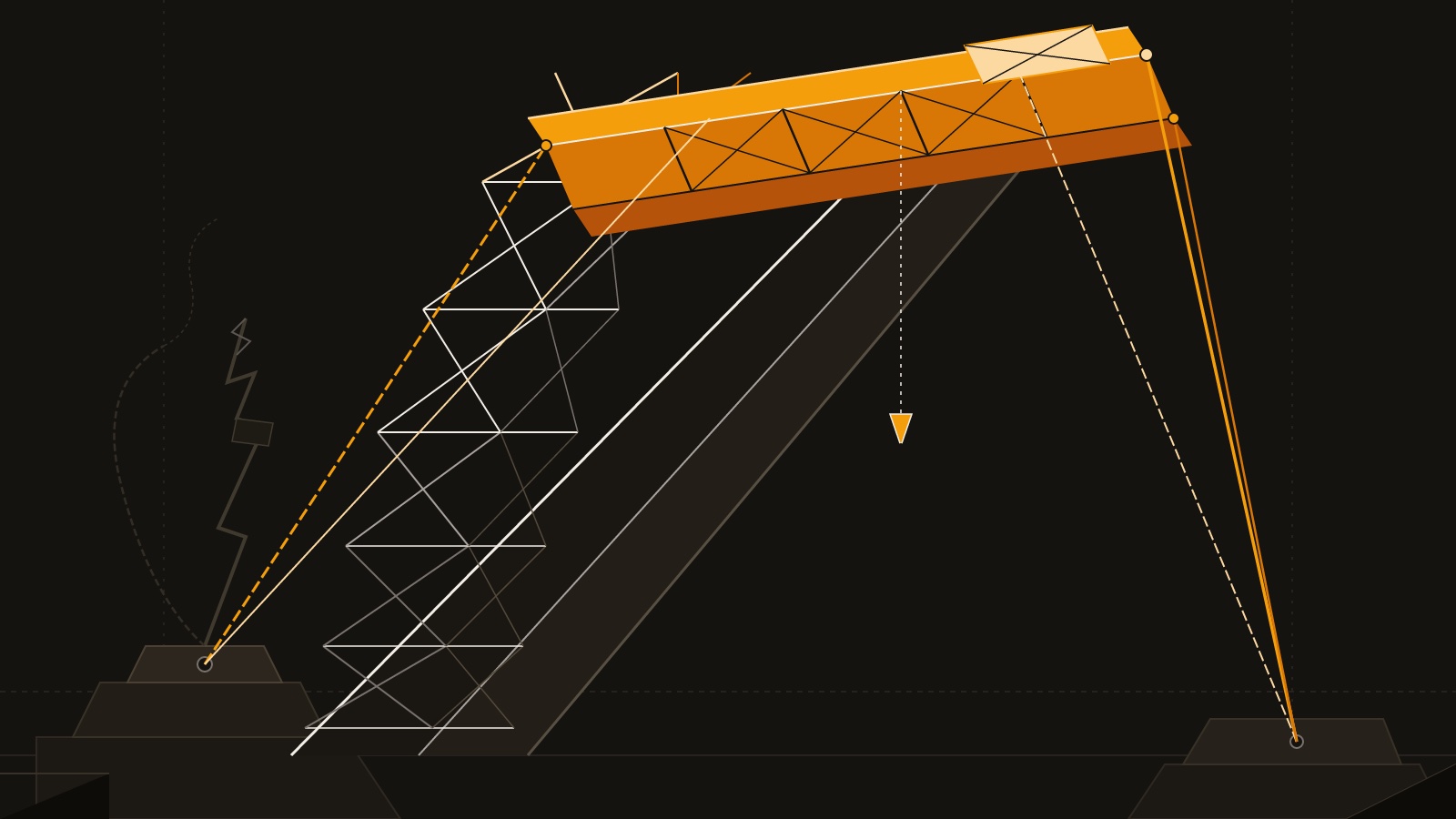
Futures Insurance Funds are corporate reserves separate from customer assets, designed to take over bankrupt positions and minimize the necessity of closing counterparty trades, CryptoSlate reported. The exchange sets a Maximum Takeover Capacity, which establishes a confidential multiplier cap on the aggregate notional value of bankrupt positions an insurance fund can absorb simultaneously. Auto-Deleveraging can trigger if bankrupt position volume hits the takeover capacity ceiling or when unrealized takeover losses exceed the available fund balance.
Under Binance RCH clearing provisions, ADL can trim or close selected positions at the bankruptcy price without requiring clearing participant permission. When market volatility outpaces standard liquidation queues, the protocol relies on forced counterparty closures to restore balance sheet solvency.
Ranking priority and contract isolation rules
When an insurance fund cannot take over bankrupt contracts, ADL selects opposing winning positions based on their leverage and profitability rankings. Accounts with high effective leverage and large unrealized percentage profits sit at the top of the queue. If a clearing event occurs, these profitable trades are closed early at the bankruptcy price, ending the position regardless of trader intent.
Crucially, Binance RCH clearing rules execute ADL strictly per contract type, preventing positions in one derivative from covering shortfalls in another. Insurance pools are separated across contract types, allowing Binance to modify allocations between categories rather than maintaining a single pool for all contracts. If a localized liquidation cascade depletes the capacity of a single contract type, ADL activates in that market alone, leaving collateral in other derivatives unaffected.
Delta Mode exemptions and basis hedge vulnerabilities
Traders running market-neutral basis trades often rely on exchange margin concessions to protect short hedges. Qualifying accounts under Delta Neutral Account rules get lower ADL priority within their profit bracket, but remain subject to potential deleveraging. Gaining access to Delta Mode requires VIP4 or higher status, Portfolio Margin or Portfolio Margin Pro, and a net exposure disparity below 5%.
Delta Mode calculations include Cross Margin balances, margin debts, and futures exposure, but exclude spot account holdings and options contracts. This exclusion exposes cash-and-carry positions to specific operational risk. If an investor holds physical spot Bitcoin to hedge a profitable short perpetual contract, the spot leg does not provide Delta Mode protection. If the short hedge achieves high profits during a sharp market sell-off, it remains subject to ADL selection and can be closed, leaving the underlying spot holding unhedged.
Bitcoin pricing metrics and derivatives context
According to Coinlytic data, Bitcoin closed at $77,002 on 2026-11-03, based on Bybit daily closes. The price is down 4.8% over 7 days and down 11.0% over 30 days, while remaining up 19.7% over 90 days. Bitcoin sits at 59% of the way from the 90-day low to the 90-day high.
The 90-day high of $86,616 was recorded on 2026-09-21, with the current price sitting 11.1% below it. The 90-day low of $62,901 occurred on 2026-08-16, and the price is above it by 22.4%. Bitcoin is also below its 50-day simple moving average of $81,954 by 6.0%. When market prices pull back from multi-month highs, profitable short hedges accumulate unrealized gains, advancing their position in the ADL ranking queue if leverage remains elevated.
Leverage and counterparty checklist
Traders running leveraged derivatives or basis hedges should evaluate their clearing exposure using standard risk controls:
- Where does the active trade rank on the exchange ADL priority light bar given its current leverage and profit tier?
- Are offsetting spot or options positions excluded from the exchange delta-neutral clearing calculations?
- How does the account manage counterparty risk if an insurance pool hits its confidential Maximum Takeover Capacity multiplier?
- Does the execution framework specify how to re-establish a hedge if Auto-Deleveraging closes a profitable short position?
What to watch next
Market participants should track reserve allocations across specific contract types rather than relying solely on aggregate insurance numbers. Watch for any adjustments to Binance RCH clearing provisions, changes to Portfolio Margin criteria, or revisions to Delta Mode eligibility thresholds. As exchange balance sheets adjust after operational incidents, clearing rules dictate whether profitable hedges survive cascading liquidations.
Quellen
- CryptoSlate · 3. November 2026
Mit KI-Unterstützung auf Grundlage der oben genannten Medien verfasst. Zahlen, Zitate und Quellen werden vor der Veröffentlichung automatisch geprüft.
Nur zu Bildungszwecken, keine Finanzberatung. Trade-Beispiele dienen nur der Veranschaulichung. Kryptopreise sind volatil, und beim Handel mit Hebel kannst du mehr als deine Margin verlieren.
Jede Woche einen Trade-Plan wie diesen erhalten
Setup, Stop, Größe und Auswertung in einer E-Mail. Kostenlos, jederzeit kündbar.
Notizen zur Marktstruktur unter der Woche auf Telegram: @ispsjaolq